A lot of retirees think the biggest danger in retirement is a bad market.
It’s not.
The real danger is being forced to pull money out of investment accounts during a bad market.
That’s called:
Sequence Risk
Sequence risk happens when retirees take withdrawals during market downturns early in retirement. Even if the market eventually recovers, the damage can already be done because those dollars are no longer invested for the rebound.
In simple terms:
Timing matters just as much as returns.
Why This Creates So Much Financial Pressure
Retirees still have monthly obligations no matter what the market is doing:
- property taxes,
- insurance,
- healthcare,
- utilities,
- and everyday living expenses.
That creates stress when most income is tied to investments.
This is what I call:
Retirement Withdrawal Pressure™
Retirement Withdrawal Pressure™ happens when retirees feel forced to pull money from investment accounts during market declines because they lack other liquidity options.
And this is where retirement planning often breaks down.
Not because people failed to save.
Because they failed to build flexibility.
What Most Retirement Planning Misses
Most retirement conversations focus on:
- returns,
- diversification,
- and withdrawal percentages.
Those things matter.
But many plans fail to address one key question:
“What happens when markets drop and retirees still need income?”
That’s where liquidity planning becomes critical
Where Home Equity Fits into the Conversation
For many retirees, home equity is their largest asset.
Yet it’s often completely ignored in retirement income planning.
That may become one of the biggest blind spots in modern retirement strategy.
In certain situations, a reverse mortgage can help create an additional liquidity source that may reduce pressure on investment withdrawals during difficult market periods.
That does not mean it’s right for everyone.
But it does mean home equity deserves a more strategic conversation than it usually gets.
The Behavioral Side Nobody Talks About
Retirement decisions are emotional.
When markets fall:
- fear increases,
- spending changes,
- and people start making defensive decisions.
That’s normal.
But retirees with more financial flexibility often make better long-term decisions because they are not operating from panic.
That distinction matters.
Perry Pappas Perspective
One of the biggest mistakes I see is people viewing retirement planning only through the lens of investment performance.
Retirement stability is really about coordinated flexibility.
The question is not:
“How much money do you have?”
The better question is:
“How much pressure does your retirement plan create during difficult periods?”
That is a completely different way to think about retirement planning.
Key Takeaway
Sequence risk is not just an investment issue.
It’s a retirement cash-flow issue.
And for many retirees, strategically evaluating home equity may help create additional flexibility during uncertain market environments.
That conversation is going to become increasingly important in the years ahead.
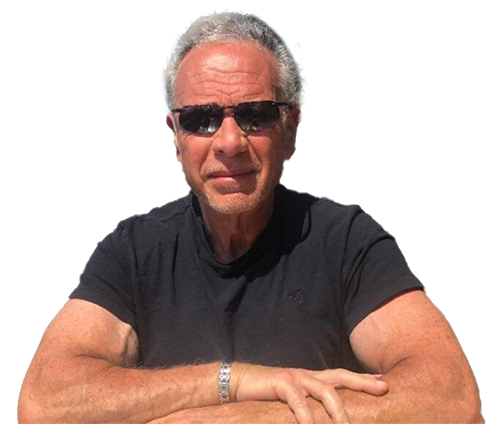
Perry Pappas is a Senior Vice President of Reverse Mortgage Sales at Jet Direct Mortgage with over 26 years of mortgage industry experience. He specializes in retirement housing strategy, senior liquidity planning, and helping older homeowners evaluate how home equity may fit into long-term financial stability. Perry is known for simplifying complex retirement financing concepts and providing straightforward education around modern reverse mortgage strategies.
Call/Text: 516-851-0696
Jet Direct Mortgage | 4875 Sunrise Hwy, Bohemia, NY 11716
Perry Pappas NMLS #3771 | Jet Direct Mortgage NMLS #3542 | Equal Housing Lender