
Getting started with a reverse mortgage
Everything you need to understand a reverse mortgage in one place — what it is, whether you qualify, how the process works, how repayment works, what it costs, and answers to the most common questions. Serving all five NYC boroughs plus Nassau & Suffolk County.
What is a reverse mortgage?
A reverse mortgage is a loan that lets homeowners age 62 and older convert part of the equity they've built in their home into cash — paid to them as monthly installments, a lump sum, a line of credit, or a combination. It works in the opposite direction of a traditional mortgage: instead of you making monthly payments to a lender, the lender pays you. The amount available depends mainly on your age and your home's value.
Many homeowners use a reverse mortgage to tap the equity they've built without having to sell or move. You are not required to repay the loan until the home is no longer your primary residence.
Traditional mortgage vs. reverse mortgage
| Traditional mortgage | Reverse mortgage | |
|---|---|---|
| Monthly payments | You pay the lender | The lender can pay you |
| Home title | You hold the title | You keep the title |
| Loan balance over time | Goes down | Generally goes up |
| Typical repayment | Monthly, over the term | When you sell, move, or pass away |
| Age requirement | None | Youngest borrower 62+ |
Questions to consider
Why get a reverse mortgage?
Getting a reverse mortgage is a big step that deserves careful thought. For the right homeowner, it's a way to draw on home equity and stay in the home they love. Those who benefit most typically plan to remain in their home for an extended period and have built up a meaningful amount of equity. The risk is also lower than with many traditional loans, because you can never owe more than your home's value.
How do I qualify?
If you own your home, are at least 62, and the home is your primary residence, you may be eligible. Your home must also have enough equity. A few conditions apply to which property types qualify:
- Single-family homes — accepted by virtually all programs
- Condominiums — generally eligible
- Manufactured homes and planned developments — may qualify for some programs
Generally not eligible:
- Mobile homes
- Co-ops
The reverse mortgage process
Below is the most common path to getting a reverse mortgage. Our team is happy to guide you through every step.
Research your options
Speak with a mortgage professional, learn the types of reverse mortgages, and pick the one that fits.
HUD-approved counseling
Meet with an independent HUD-approved counselor — it's required, and we can help you find one.
Submit your application
Once you've chosen a program, complete your application. Your information is stored and transmitted securely.
Processing & appraisal
A licensed appraiser values your home and notes any required repairs, which must be completed before approval.
Underwriting
All details are finalized and your loan is underwritten to determine approval.
Closing
After approval, you review the terms and sign your paperwork at closing.
Receive your funds
After a three-business-day cancellation period, you begin receiving your monthly payments or lump sum.
Repayment
The loan becomes due when the home is sold, is no longer your primary residence, or upon the homeowner's passing.
Repaying your loan
With a reverse mortgage, the lender pays you — either monthly or as a lump sum. Here's how and when the loan is paid back.
When does a reverse mortgage become due?
- Upon the death of the homeowner
- When the home is sold
- If the homeowner lives elsewhere for 12 consecutive months (for example, moving to an assisted-living home)
Two ways the loan can be paid off
| Option | How it works |
|---|---|
| Sell the home | Proceeds from the sale repay the loan balance. Any remaining equity belongs to you or your heirs. |
| Heirs refinance | Your heirs can keep the home by refinancing the loan into a new mortgage. |
What can put a loan in default?
Like all loans, a reverse mortgage carries conditions. A borrower could fall into default for any of the following:
- Failure to pay property taxes
- Failure to keep the home in good repair
- Failure to insure the home
- Taking on new debt against the home
- Bankruptcy
- Abandonment or donation of the home
- Eminent domain
Reverse mortgage costs
Much like a traditional mortgage, a reverse mortgage has fees associated with securing it. Most of these can be rolled into the loan, minimizing out-of-pocket expense. Here are the common fees.
We help homeowners understand these costs across all five New York City boroughs and Long Island:
New York City (New York State)
- Manhattan
- Brooklyn
- Queens
- The Bronx
- Staten Island
Long Island
- Nassau County
- Suffolk County
Origination fee
Covers the lender's costs of making the loan — overhead, marketing, and title searches. For a HECM, it's the greater of $2,000 or 2% of your county's FHA loan limit (often between $4,000 and $7,300 in most U.S. counties). It can be bundled into the loan.
Appraisal fee
A licensed appraiser inspects your home and determines its value based on condition, location, and the current market. If a significant problem is found, it must be repaired and re-inspected before approval.
Mortgage insurance premium (MIP)
Applies to HECM loans: an upfront premium equal to 2% of your county's FHA limit (or the home's value, whichever is less), plus an annual premium of 0.5% of the loan balance. This insurance guarantees you keep receiving payments and that you'll never owe more than the home is worth at maturity.
Closing costs
The same kinds of closing costs as any traditional mortgage, which commonly include: credit report, document preparation, flood-zone certification, termite inspection, attorney's fee and title examination, recording fees, and escrow/settlement fees.
Typical upfront fee ranges
Illustrative ranges only — your actual costs depend on your county's FHA limit, your home's value, and the loan program. Mortgage insurance and closing costs are not shown here. Ask us for a personalized cost breakdown.
Frequently asked questions
Am I eligible?
To be eligible, all titleholders must be 62 or older, the home must be your primary residence and meet FHA minimum property standards, and you must have sufficient home equity. One of our specialists can quickly tell you whether you have enough equity to qualify.
Will the bank own my house?
No. Just like a traditional mortgage, as long as the terms of the loan are met you retain full homeownership and can sell the home at any time.
How much money can I get?
It's determined by the age of the youngest borrower (or eligible non-borrowing spouse), your home's value, the amount of equity, FHA lending limits, the current interest rate, and the product and payment option you choose. We can provide a quote tailored to your situation at no cost or obligation.
How do I receive my proceeds?
You can take your funds as a lump sum; as monthly payments for a set period or for as long as you live in the home; as a line of credit; or as a combination of these.
Am I spending my children's inheritance?
A reverse mortgage can help you enjoy a more comfortable, financially independent retirement. We encourage you to involve family in the decision. When the home is sold or is no longer your primary residence, the loan is repaid — and any remaining equity belongs to you or your estate and can pass to your heirs.
What are the costs associated with a reverse mortgage?
Beyond interest, costs can include an appraisal fee, origination fee, closing costs, mortgage insurance premium, a servicing fee, and a modest charge for HECM counseling. Closing costs are similar to those of any traditional mortgage, and most up-front costs can be rolled into the loan to minimize out-of-pocket expense. We're happy to provide a detailed breakdown.
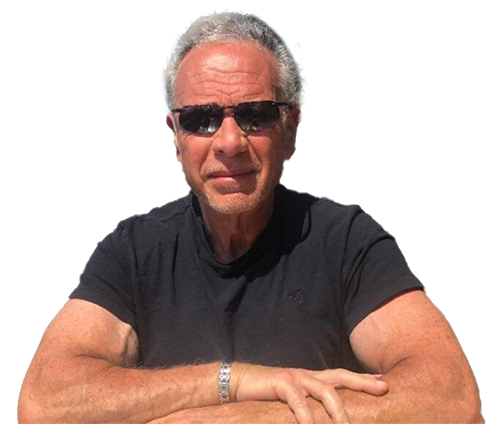
Meet the people who'll help you


Ready to find out if a reverse mortgage is right for you?
Get a free, no-obligation consultation with a New York reverse mortgage specialist — or estimate your options with our calculator.
This page is for general educational purposes and is not financial advice. Loan figures, fees, and program rules are approximate and subject to change; your actual terms depend on your individual circumstances. Borrower remains responsible for property taxes, homeowner's insurance, and home maintenance, and must keep the home as a primary residence to avoid the loan becoming due. Equal Housing Lender.
Jet Direct Mortgage serves the mortgage and home refinance needs of clients in the following areas. Jet Direct Mortgage © 2026. All Rights Reserved. Alabama Consumer Credit License - License/Registration #22632; Arizona Mortgage Banker License - Lic/Reg#:1040763; Licensed by the Department of Financial Protection and Innovation under the California Residential Mortgage Lending Act - #41DBO-81230; Colorado Mortgage Company Registration #LMB100014791; Connecticut Mortgage Lender License #20333; Delaware Lender License - License/Registration #032943; Florida Mortgage Lender Servicer License #MLD357; Licensed by the Georgia Department of Banking and Finance Company License Company - License #64345; Indiana DFI Mortgage Lending License No. 59981; Maine Supervised Lender License No. SLM9525; Maryland Mortgage Lender License #17365; MA Mortgage Lender License #ML3542; Michigan 1st Mortgage Broker/Lender/Servicer Registrant #FL10015703; Licensed Residential Mortgage Lender NJ Dept of Banking & Insurance #3542; New Mexico Mortgage Loan Company License 3542; Licensed Mortgage Banker NYS Department of Financial Services #B500903 – NMLS#3542; North Carolina Mortgage Lender License L-180193; Ohio Mortgage Broker Act Mortgage Banker Exemption # MBMB.850088.000; Oregon: State of Oregon ML-3542; Pennsylvania Mortgage Lender License No. 47421; South Carolina-BFI Mortgage Lender / Servicer License MLS–3542; Tennessee Mortgage License - License/Registration #17365; Texas – SML Mortgage Banker Registration; Virginia License/Registration # MC-4985; Washington Department of Financial Institutions, Consumer Loan Company License CL-3542; Wisconsin - Mortgage Banker License, #ML3542;