For many retirees, today’s economy feels very different than the retirement they once imagined.
The cost of groceries has climbed. Property taxes continue rising in many areas. Healthcare expenses remain unpredictable. And while many seniors worked hard to prepare for retirement, inflation and market volatility have created new financial pressure for households living on fixed incomes.
At the same time, one asset has quietly grown in value for many older homeowners: their home equity.
As home values increased over the past several years, millions of seniors now find themselves “house rich” — but sometimes cash-flow limited. That’s one reason reverse mortgages are receiving renewed attention as a retirement planning tool in today’s market.
Home Equity Has Become One of Retirement’s Largest Assets
According to recent retirement research, baby boomers are sitting on trillions of dollars in home equity, often exceeding the value of their retirement savings accounts.
For many retirees, their home is now their single largest financial asset.
A reverse mortgage allows eligible homeowners age 62 and older to convert a portion of that equity into accessible funds while continuing to live in the home.
Unlike a traditional mortgage, there are no required monthly mortgage payments on the reverse mortgage balance as long as the borrower continues living in the home and keeps taxes, insurance, and maintenance current.
Benefit #1: Improved Monthly Cash Flow
One of the biggest reasons seniors explore reverse mortgages today is simple: cash flow.
With inflation affecting everything from utilities to prescription medications, eliminating an existing mortgage payment can create immediate financial relief.
For retirees on fixed incomes, reducing monthly obligations may help:
- Stretch retirement savings longer
- Reduce financial stress
- Create additional monthly flexibility
- Help cover rising living costs
Many homeowners use reverse mortgage proceeds to supplement Social Security or retirement income without having to sell investments during uncertain market conditions.
Benefit #2: Staying in the Home You Love
In today’s housing market, downsizing is not always the affordable solution people once expected.
Higher home prices, elevated interest rates, moving costs, and limited housing inventory have made relocating more difficult for many seniors.
A reverse mortgage may allow retirees to remain in their current home while accessing equity they’ve spent decades building.
For seniors who value independence and familiarity, aging in place can provide emotional as well as financial benefits.
Benefit #3: Protection From Market Volatility
Market uncertainty can create anxiety for retirees who rely heavily on investment accounts.
When stock markets fluctuate, withdrawing large amounts from retirement portfolios during downturns can potentially reduce long-term savings.
Some financial planners view home equity as another retirement resource that may help diversify income strategies during volatile periods.
A reverse mortgage line of credit can also grow over time and remains available regardless of future housing market changes or stock market performance.
Benefit #4: Flexible Access to Funds
Reverse mortgages offer several payout options depending on a homeowner’s goals.
Borrowers may choose:
- A lump sum
- Monthly payments
- A line of credit
- Or a combination of options
Some seniors establish a line of credit simply as a financial safety net for future healthcare expenses, home repairs, or emergencies.
This flexibility is one reason reverse mortgages have evolved into more strategic retirement planning tools than many people realize.
Benefit #5: FHA Protections and Borrower Safeguards
Today’s federally insured HECM reverse mortgages include several consumer protections that were strengthened over the years.
Key protections include:
- Mandatory HUD-approved counseling
- Non-recourse protection (borrowers or heirs never owe more than the home’s value)
- Borrower ownership remains intact
- Required financial assessments to help reduce foreclosure risk
These safeguards were designed to improve transparency and help seniors better understand the loan before moving forward.
Reverse Mortgages Are Not Right for Everyone
While reverse mortgages can offer important benefits, they are not a one-size-fits-all solution.
Homeowners are still responsible for:
- Property taxes
- Homeowners insurance
- Home maintenance
- Using the home as their primary residence
The loan balance also grows over time, which can reduce the remaining home equity left to heirs.
For homeowners planning to move in the near future, other financial strategies may make more sense.
Final Thoughts
Today’s retirement landscape is changing.
Inflation, longer life expectancies, and rising living costs are forcing many seniors to rethink how they use their assets during retirement. At the same time, growing home equity has created new opportunities for homeowners looking to improve financial flexibility.
For the right borrower, a reverse mortgage can provide breathing room, stability, and the ability to remain comfortably at home during retirement.
As with any major financial decision, education is essential. Understanding both the advantages and responsibilities can help seniors decide whether a reverse mortgage fits into their long-term retirement goals.
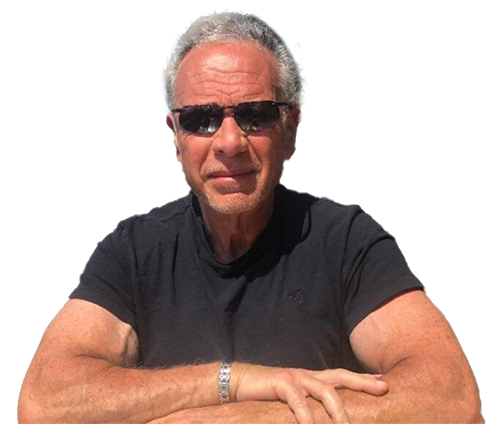
Perry Pappas is a Senior Vice President of Reverse Mortgage Sales at Jet Direct Mortgage with over 26 years of mortgage industry experience. He specializes in retirement housing strategy, senior liquidity planning, and helping older homeowners evaluate how home equity may fit into long-term financial stability. Perry is known for simplifying complex retirement financing concepts and providing straightforward education around modern reverse mortgage strategies.
Call/Text: 516-851-0696
Jet Direct Mortgage | 4875 Sunrise Hwy, Bohemia, NY 11716
Perry Pappas NMLS #3771 | Jet Direct Mortgage NMLS #3542 | Equal Housing Lender