Protecting Your Retirement Income with a Reverse Mortgage in Nassau County
Retirement in Nassau County comes with a particular kind of pressure. The cost of living is high, property taxes are among the steepest in the nation, and most households are trying to make a fixed income stretch across decades that may include market downturns, rising healthcare costs, and simply living longer than previous generations.
The Retirement Income Squeeze
Many Nassau retirees are asset-rich but income-stretched — their largest asset, the home, sits idle while monthly bills climb. A reverse mortgage is one of the few tools designed to turn that idle equity into a working part of your retirement income plan.
Used thoughtfully, a reverse mortgage isn't just a way to pull cash out of a house. It can be a deliberate tool for protecting income — cushioning your savings against bad markets, reducing the bills you have to fund, and turning home equity into a dependable resource. Here's how.
⚡ Quick Answer
"Protecting retirement income with a reverse mortgage" means using your Nassau County home equity as a financial buffer — most often a line of credit you draw from during down markets (instead of selling investments at a loss), to eliminate a monthly mortgage payment, or to create steady monthly income. It requires no monthly mortgage payment, you keep the title, and the loan is repaid later when the home is sold or is no longer your primary residence.
📞 See How Your Home Could Strengthen Your Retirement
Talk with a licensed local specialist and get a free, no-obligation estimate based on your Nassau County home.
The Hidden Threat: Sequence-of-Returns Risk
One of the biggest dangers to a nest egg isn't the average return your investments earn — it's the order in which those returns arrive. If a downturn hits early in retirement while you're withdrawing money to live on, you're forced to sell investments at depressed prices. Those shares are gone and can't recover when the market rebounds, which can permanently shorten how long your savings last. Researchers call this sequence-of-returns risk, and it's especially punishing in the first several years of retirement.
Imagine a retired couple in Garden City who need to draw $40,000 a year from investments. If the market drops 20% in their first retirement year, selling enough shares to cover that $40,000 locks in the loss — and there are fewer shares left to recover when prices climb back. Had they drawn that year's expenses from a reverse mortgage line of credit instead, their portfolio would have stayed invested and intact for the rebound. That's the buffer in action.
This is why home equity can be strategically valuable: having a source to draw from in a bad year — one that doesn't involve selling stocks — gives your portfolio room to recover.
Three Strategies to Protect Your Income
There's no single "right" way to use it; the strategy depends on your situation, and these can be combined.
Standby Line of Credit
Draw from it during down-market years instead of selling investments, giving your portfolio time to recover. Best when you have invested savings and want to manage market risk.
Eliminate a Mortgage Payment
Folding an existing mortgage into the reverse mortgage removes a monthly payment, lowering how much you must withdraw each month. Best when you still carry a balance.
Monthly Tenure Income
Convert equity into steady monthly payments for as long as you live in the home. Best when you want predictable, ongoing supplemental income.
This is general education, not personalized financial advice — the right approach for you should be reviewed with a financial professional.
🧮 Curious How Much You Could Access?
We'll run the numbers for your specific Nassau County property and explain your options in plain English.
The Power of a Growing Line of Credit
Here's a feature that surprises most people: with a reverse mortgage line of credit, the unused portion grows over time. The amount available increases year after year, independent of your home's value — so the longer you leave it untouched, the larger your safety net becomes. That's exactly what makes it work as a standby buffer.
Illustrative example of an unused line of credit growing over time. Actual growth depends on your rate and terms.
Your Home: The Forgotten Fourth Bucket
Most retirement plans lean on three buckets: Social Security, a pension (if you have one), and personal savings. For Nassau homeowners there's often a fourth that dwarfs the others — home equity — yet it's the one most people never plan to use.
- Social Security — 30%
- Pension — 15%
- Savings & investments — 25%
- Home equity (often untapped) — 30%
Illustrative example only — your mix depends on your own finances.
Quick Facts
Is This Strategy Right for You?
✅ Often makes sense when…
- You plan to stay in your Nassau home long-term.
- You want to avoid selling investments in a downturn.
- A monthly mortgage payment is straining your cash flow.
- You'd value a growing safety net you may never need to use.
- You want predictable income alongside Social Security.
⚠️ May not fit when…
- You expect to move within a few years.
- Leaving the maximum inheritance is your top priority.
- Your income needs are small and short-term.
- Others in the home aren't on the loan and couldn't remain long-term under its terms.
The Protections Built In
- You keep the title. The lender holds a lien, just like any mortgage — they never own your home.
- It's non-recourse. You and your heirs can never owe more than the home is worth at repayment.
- Independent counseling is required. A HUD-approved counselor reviews everything with you first.
- Proceeds are generally tax-free and typically don't affect Social Security or Medicare (consult a tax advisor).
How You Qualify & What to Expect
You'll generally qualify if everyone on the title meets the program's minimum age requirement, the home is your primary residence in Nassau County, it meets FHA condition standards, and you hold enough equity — which most established Nassau owners do. The path to funding is straightforward:
- Consultation. A no-pressure conversation about your retirement goals.
- HUD counseling. A required, independent session that protects you.
- Application & appraisal. Your home is professionally valued.
- Underwriting. Final review and approval.
- Closing & funding. Sign, observe a 3-day cancellation window, then access your funds or credit line.
Start to finish, the process usually takes about 30 to 45 days.
📌 The Bottom Line
- A reverse mortgage can protect retirement income, not just provide cash.
- A standby line of credit lets you avoid selling investments in down markets.
- The unused credit line grows over time, building a larger safety net.
- Eliminating a mortgage payment or adding tenure income eases monthly cash flow.
- It's non-recourse, you keep the title, and proceeds are generally tax-free.
🏡 Ready to Build a Stronger Retirement Plan?
Get a clear, personalized estimate from a specialist who knows the Nassau County market — no cost, no pressure, no obligation.
📞 Or call us directly at 866.203.1231
❓ Frequently Asked Questions
How does a reverse mortgage line of credit protect my investments?
In years when the market is down, you can draw living expenses from the credit line instead of selling investments at a loss. That gives your portfolio time to recover, helping it last longer. Researchers refer to this as using the home as a "buffer asset."
Does the line of credit really grow?
Yes. The unused portion of a reverse mortgage line of credit increases over time, independent of changes in your home's value. The longer it sits unused, the more borrowing power it builds — which is what makes it effective as a standby safety net.
Will this reduce my Social Security or Medicare?
Generally, no. Because the proceeds are loan funds rather than income, they typically don't affect Social Security or Medicare. They can affect needs-based programs like Medicaid or SSI, so consult a tax advisor about your situation.
Can I set up the line of credit now and use it later?
That's one of the most common strategies. Many homeowners establish the line of credit when they qualify, leave it untouched so it grows, and draw on it only when they need it — for a market downturn, a large expense, or later-life costs.
What happens to my home and my heirs?
You keep the title and stay as long as the home is your primary residence. When the loan comes due, heirs can sell the home and keep any remaining equity, or refinance to keep it. Because it's non-recourse, they'll never owe more than the home is worth.
Is using home equity this way risky?
Like any financial tool, it has trade-offs — chiefly that it reduces the equity left to heirs and carries upfront costs. It's federally regulated with required counseling, and it isn't right for everyone. The point of a consultation is to make sure it fits your specific plan.
Why Work With Senior Reverse Network
We're based in Bohemia, NY, and we serve homeowners across all of Nassau County — Hempstead, North Hempstead, Oyster Bay, and communities like Garden City, Great Neck, Manhasset, Massapequa, Levittown, Rockville Centre, and Long Beach. As a licensed Mortgage Banker with the NYS Department of Financial Services (NMLS #3542), we lead with education, not pressure. We'll explain how a reverse mortgage could fit into your retirement income plan, run real numbers for your home, welcome your family into the conversation, and let you decide on your own timeline.
Looking at related topics? See our guides: Reverse Mortgage Guide for Nassau County Residents →, Suffolk County Reverse Mortgage Guide →, and Long Island Reverse Mortgage →
Senior Reverse Network is not a government agency, and this guide is for general educational purposes — it is not financial, tax, or legal advice. The content on this page is not from HUD or FHA and is not approved by the Department or any government agency. Reverse mortgages are subject to credit approval and program requirements. Strategies such as using a line of credit as a buffer asset involve trade-offs and are not guarantees of any outcome. Home value figures and the charts shown are illustrative examples based on publicly reported market data, not statistical claims. Please consult a tax or financial advisor regarding your specific situation. Jet Direct Funding Corp. DBA Jet Direct Mortgage DBA Senior Reverse Network, 4875 Sunrise Hwy, Suite 300, Bohemia, New York 11716. NMLS #3542.
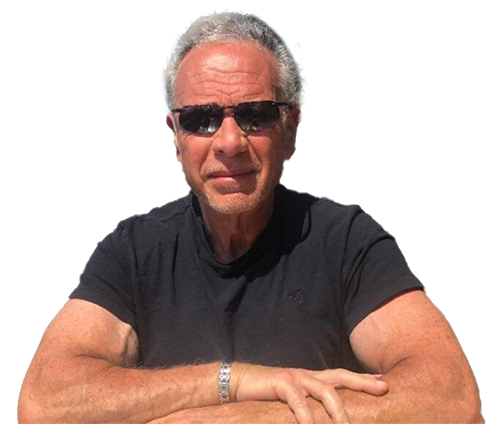
Perry Pappas is a Senior Vice President of Reverse Mortgage Sales at Jet Direct Mortgage with over 26 years of mortgage industry experience. He specializes in retirement housing strategy, senior liquidity planning, and helping older homeowners evaluate how home equity may fit into long-term financial stability. Perry is known for simplifying complex retirement financing concepts and providing straightforward education around modern reverse mortgage strategies.
Call/Text: 516-851-0696
Jet Direct Mortgage | 4875 Sunrise Hwy, Bohemia, NY 11716
Perry Pappas NMLS #3771 | Jet Direct Mortgage NMLS #3542 | Equal Housing Lender